Locksmith Guide
Moving House? Change the Locks on Day One (and What It Costs)
By Kenny, owner and locksmith at Open-in Security Services, Ickenham, working the same West London patch since 2006.
Published
The Short Answer
Yes. When you buy a house you cannot know how many keys were cut or who still holds one, so the locks should be changed on completion day. On uPVC and composite doors that means swapping or rekeying the euro cylinder, from £45 to rekey or £65 to replace. Timber doors need the mortice lock rekeyed or a BS3621 deadlock fitted from £120. Keying every door alike, from £95, leaves you with one key for the whole house.
Need it sorted, not read?
Ask about should I change the locks when I move house and get a fixed price on the call.
Call 07904 594452 WhatsApp insteadYes, you should change the locks when you move house, and the best time to do it is completion day, before the first night you sleep there. On a uPVC or composite door that means rekeying the euro cylinder from £45 or replacing it from £65; on a timber door it means a new BS3621 mortice deadlock from £120 or a rekey of the existing lock. Keying every external door alike, from £95, lets you leave the old bunch of keys behind and carry one.
Why the keys that came with the house are not the only ones
A house changes hands with a small bundle of keys and a long history. Over the years the previous owners will have cut spares for family, handed one to a cleaner or a dog walker, left one with a neighbour for holidays, and given sets to builders, decorators and estate agents during works and viewings. Some of those keys came back. There is no way to know which did not.
None of this needs anyone to have bad intentions. A key on a ring with the address written on the tag, a set forgotten in a drawer at a former cleaner’s house, a lodger who moved out years ago and never returned theirs: any of them opens your front door today. Changing the locks turns an unknown number of working keys into a known one, held only by you.
What “changing the locks” means on each type of door
People picture a whole new lock being fitted, but on most modern doors the job is far smaller than that. What actually changes depends on what the door is made of.
uPVC and composite doors: the euro cylinder
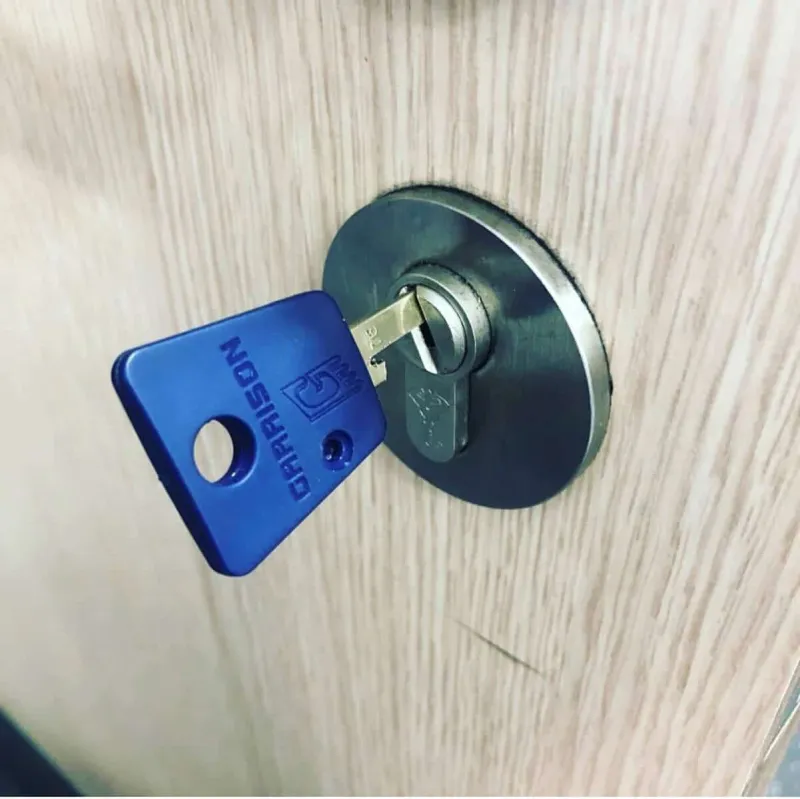
The lock on these doors is a long multipoint strip inside the door edge, and it stays exactly where it is. The only part that answers to your key is the euro cylinder, the barrel sitting in the handle plate, held by a single screw through the edge of the door. Changing the locks on a uPVC or composite door means changing, or rekeying, that cylinder. It takes minutes and leaves the door, the handles and the mechanism untouched.
Timber doors: mortice deadlock and night latch
A wooden front door usually carries two locks. The mortice deadlock is cut into the door edge and works with a key from both sides; the night latch is the case mounted on the inside face that catches when the door swings shut. Some mortice locks can be re-levered with a fresh lever pack, but many are simpler to swap for a new case, and if the old one does not carry the BS3621 kitemark the swap doubles as an insurance upgrade. On the night latch, the rim cylinder on the outside is the part to rekey or replace.
Patio, French, side and garage doors
Sliding patio doors have their own hook lock, usually with a small cylinder that can be swapped. French doors and side doors in uPVC are multipoint like the front, so once again the cylinder is the part to change. Garage side doors and outbuildings are the ones people forget, and often the easiest way in; if they take a euro cylinder, they can join the same key as the house.
Rekey or replace: which is right on move-in day
Both routes stop every old key from working. The difference is whether the existing hardware is worth keeping.
| Your situation | Better option | Why | Starting price |
|---|---|---|---|
| Good-quality cylinders already fitted, keys unaccounted for | Rekey | Keeps the hardware, changes the key | from £45 |
| Basic or worn cylinders with no anti-snap rating | Replace | Comes with a security upgrade for little extra | from £65, anti-snap from £95 |
| Several doors, a different key for each | Replace with a keyed-alike set | Cylinders matched at fitting so one key runs them all | from £95 |
| Timber door with a mortice lock that is not BS3621 | Replace | Insurers ask for BS3621 on final-exit timber doors | from £120 |
| Restricted-key cylinder fitted, but no key card handed over | Replace | Without the card, no spares can be cut | from £65 |
The lock rekey and replacement page covers the process on each lock type in more depth.
One key for every door
A keyed-alike set means the cylinders on the front, back, side and garage doors are all pinned to the same key when they are fitted. You carry one key instead of four, guests and family need one spare instead of a labelled bunch, and there is no fumbling at the back door in the dark. Sets start at £95, and extra copies can be cut on site from £6 each through the mobile key cutting service.
One caution: if that single key is lost, every door it opens needs attention at once. Keep a count of how many copies exist and who holds them, and the convenience outweighs the risk.
Use the move as the moment to upgrade
If a cylinder is coming out anyway, the extra cost of fitting a better one is small. Lock snapping is the attack that targets a standard euro cylinder, breaking it at its weak point so the mechanism behind can be turned. A TS007 3-star anti-snap cylinder is built to fail in a way that leaves the door locked, and upgrading to one starts at £95.
On a timber final-exit door, most home insurance policies name BS3621 as the standard for the mortice deadlock, and a policy can be weakened if the door does not meet it. Fitting a BS3621 five-lever deadlock starts at £120. Read your policy wording before the locksmith arrives and mention it on the call; what each standard requires is set out on the residential locksmith page.
The day-one checklist
Work through the whole property, not just the front door. Ten minutes with this list on completion day saves a second visit.
- Front door. Rekey or replace the cylinder, or fit a new mortice deadlock on timber.
- Back and side doors. Same treatment, and add them to the keyed-alike set if you are having one.
- Patio and French doors. Check the cylinder and confirm the hook lock actually engages.
- Garage. The up-and-over door lock, the side door, and any padlock on a workshop or shed.
- Side gate. Replace the padlock; the old owner’s combination or key is unknown to you.
- Window keys. Count what you were given. Many uPVC window handles share a common key pattern, so consider new handles if none came with the house.
- Key safe. Change the code, or remove the box if you will not use it.
- Alarm. Set a new code and delete any old users, fobs or app logins.
- Smart lock. Factory reset it, remove every previous user and pair it to your own account.
- Spares. Cut a known number, label none of them with the address, and note who has each one.
Buying, renting and letting
If you have bought the house, the decision is yours and the answer is to do it. If you are renting, your tenancy agreement almost certainly says something about locks; most require the landlord’s consent, and a polite request usually gets either permission or the landlord arranging the rekey. Keep the old cylinder if you do change it, so it can go back in when you leave.
Landlords should treat every change of tenant as a lock change. A rekey between tenancies is inexpensive, protects the new tenant from the old one’s spare keys, and can be keyed alike across the property so the inventory has one key to track.
Timing: book for completion day
Completion is confirmed once your solicitor tells you the money has gone through and the agent releases the keys, which is often around the middle of the day. Book the locksmith for that afternoon or the following morning, and give a provisional time. If completion slips, a quick call moves the booking. If you arrive and the agent’s keys do not turn, the emergency lockout service opens the door without damage and the new cylinder goes in on the same visit.
What it costs
These are the starting prices for move-in lock work. Your exact figure is fixed by phone before the visit, with no separate charge for coming out.
| Work | Starting price |
|---|---|
| Cylinder rekey | from £45 |
| Euro cylinder replacement | from £65 |
| Anti-snap cylinder upgrade | from £95 |
| Keyed-alike set | from £95 |
| BS3621 mortice deadlock fitted | from £120 |
The pricing page lists every starting price, including the commercial and key cutting rates.
What to have ready when you call
A short list saves time on the phone and makes the fixed price accurate. Have to hand the number of external doors and what each is made of, whether each lock uses a key on the outside only or has a thumb turn inside, a photo of each door edge and handle if you can get one, the number of keys you want, your insurer’s wording on locks, and the postcode and completion date.
Open-in Security Services is based in Ickenham and handles move-in lock changes across West London, including Uxbridge and the surrounding towns. Call 07904 594452 with the details above and the locksmith will give you a fixed price and a slot for the day you get the keys.
FAQ
Should I change the locks when I move house: Quick Answers
Should I change the locks when I move into a new house?
Yes, and ideally on the day you complete. The previous owners, their family, cleaners, tradespeople, tenants and estate agents may all have held keys over the years, and none of them are obliged to hand every copy back. Rekeying a cylinder starts at £45 and a replacement euro cylinder at £65, so it is a small cost for certainty.
How much does it cost to change the locks after moving in?
On uPVC doors expect from £45 per cylinder to rekey or from £65 to replace, with an anti-snap upgrade from £95. A BS3621 mortice deadlock on a timber door is fitted from £120, and a keyed-alike set that puts every door on one key starts at £95. The exact fixed price is agreed by phone.
Is it better to rekey or replace the locks in a new house?
Rekey if the existing locks are good quality and you simply want old keys to stop working; it is the cheaper option from £45. Replace if the cylinders are worn, are a basic pattern with no anti-snap protection, or you want every door on one key. Many movers choose to replace, because the upgrade costs little more.
Can I change the locks myself when I move in?
A euro cylinder can be swapped with one screw and a little patience if you buy the right size, measured from the centre fixing hole to each end. The risk is fitting a cylinder that sticks out past the handle, which makes it easy to snap. A locksmith measures, fits a correctly rated cylinder and tests it, from £65.
I am renting. Can I change the locks in my new flat?
Check your tenancy agreement first. Most require the landlord's consent before a lock is changed, and many landlords will arrange a rekey between tenancies if asked. If you do change a lock with permission, keep the old cylinder so it can be refitted when you leave, and give the landlord a key if the agreement requires it.